Book Author
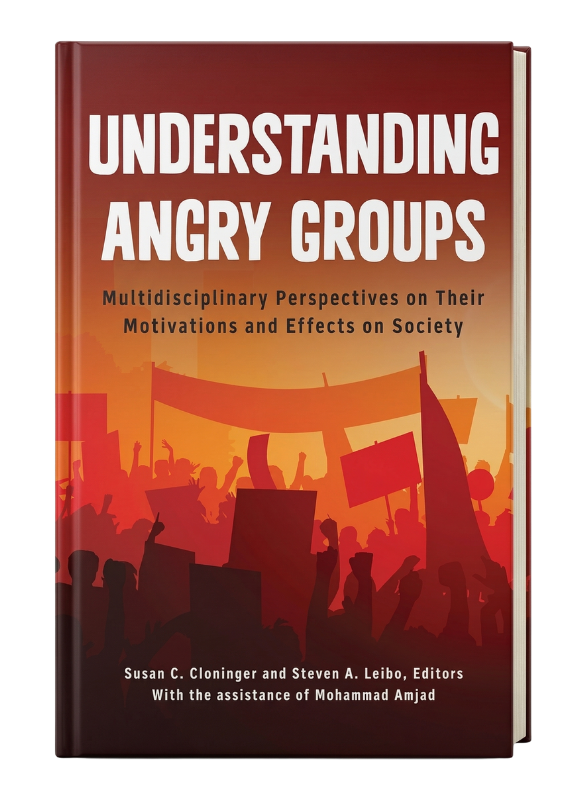
This multidisciplinary study examines the dynamics of group anger across history and modern society. Editors Susan C. Cloninger and Steven A. Leibo explore the origins, media influences, and potential resolutions for collective social conflict.
Understanding Angry Groups is a thought-provoking examination of the motivations behind group behavior and its lasting effects on global society. From climate activists to militia groups, this text dives into the causes of civil unrest that shape our government, politics, and daily lives.
The book studies the human spirit through a biological, psychological, and social lens. It identifies the specific manifestation of disrespect, discontent, and disconnection that lead to the emotional pain fueling today’s most visible social movements.
This compilation doesn’t just focus on the news; it looks at how anger is delivered and perceived through various cultural and historical filters:
Literary & Cinematic Analysis: Explores anger as depicted in the Bible, the world of Harry Potter, and international cinema.
Historical Contexts: Analyzes the “Angry Exile” groups following the French and Russian Revolutions.
Modern Political Extremism: Investigates the extreme right and neo-Nazism in the post-war United States, as well as the institutionalization of political anger during the Affordable Care Act era.
Global Conflict Case Studies: Detailed academic insights into the crisis of capitalism in Greece, the Niger Delta conflict, political action in Iran, and the evolution of the Tibetan independence movement.
Beyond merely identifying problems, this work provides readers with an understanding of origins and dynamics that offer insights into successful conflict resolution.
Predictive Insights: Offers suggestions for predicting and influencing the expression of angry group behavior.
Suffering Reduction: Identifies strategies specifically designed to reduce the human and financial suffering that stems from these conflicts.
Channeling Energy: Provides a roadmap for channeling negative collective energy into positive societal outcomes.
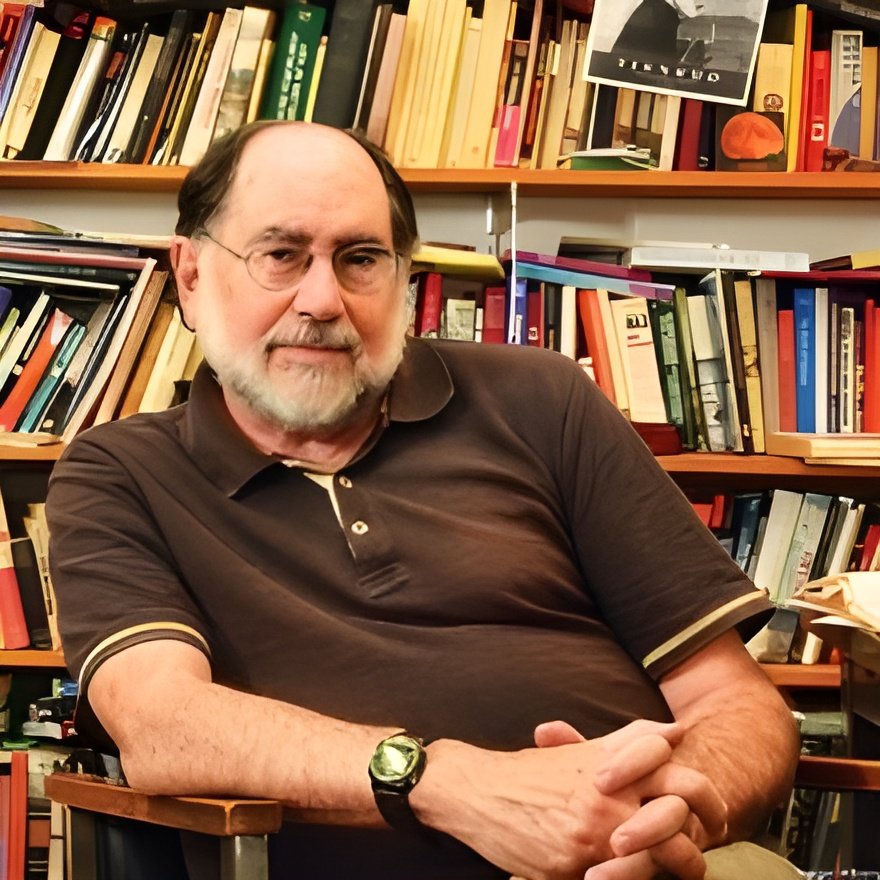
Edited by Susan C. Cloninger, an expert in the theories of personality, and Steven A. Leibo, a specialist in international history and politics, the text features contributions from a wide array of scholars. It draws on expertise from neuroscience, sociology, and political science to make complex societal issues accessible to any interested reader.
“This book does an excellent job of combining insights… to explain the phenomena of past and current group behavior and philosophy both nationally and globally.” — Library Journal
“This text promises a multidisciplinary perspective and doesn’t disappoint… I highly recommend this book to anyone interested in the study of the human spirit.” — Shelley L. Reppel, Licensed Clinical Social Worker
Subscribe to receive updates on new books, articles, and insights from historian and author Steven A. Leibo.
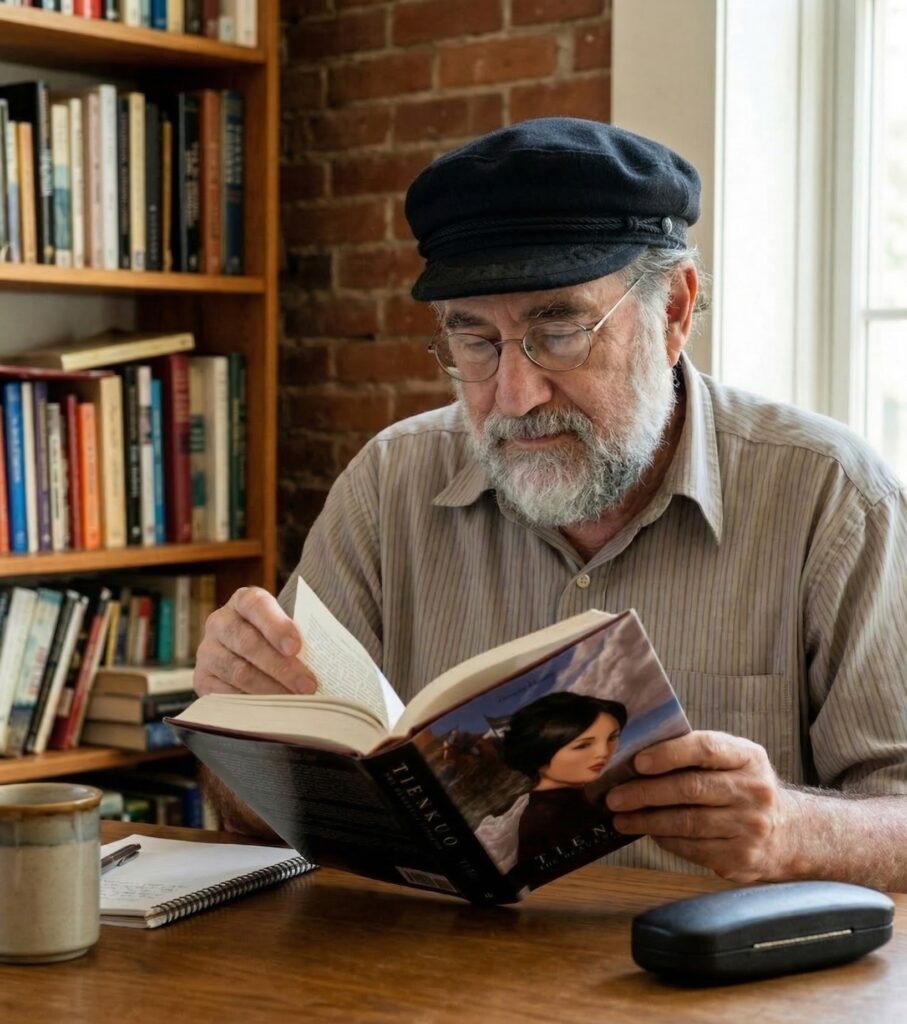
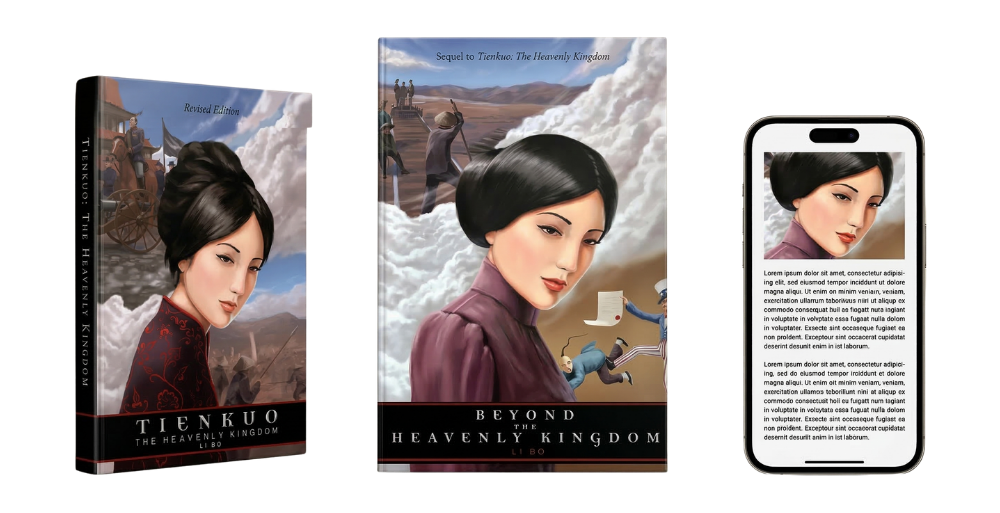
5 stars on Amazon Tienkuo the Heavenly Kingdom
This book was thought provoking and action-packed. I recommend this book to anyone seeking a better understanding of Chinese culture and the role religion plays on humanity. It’s a beautiful read.
5 stars on Amazon Tienkuo the Heavenly Kingdom
Reviewed in the United States on January 20, 2020
I was reminded of some of Pearl Buck's writings. Like hers, the storytelling in this book is very accurate of the times. It is a wonderful story with believable characters and a strong, interesting plot.
5 stars on Amazon Tienkuo the Heavenly Kingdom
Reviewed in the United States on January 24, 2020
Received a copy of this book free and felt like leaving a review. This book is A step back in time. This historical fiction really paints the picture and has you empathizing with the characters. Books like these really make you see just how far we have come and how far we still have to go
Tienkuo The Heavenly Kingdom
"Exciting book…I like it very much. The characters are believable and the cultural details about customs accurate.” Dr. Alice Murong Pu Lin, author of Grandmother Had No Name."
“I enjoyed the novel immensely–it’s a fun and exciting read.” Tienkuo The Heavenly Kingdom "
”
Review Comments about Beyond the Heavenly Kingdom
"This book is about love, acceptance, and endurance. A great sequel! Reviewed by Philip Zozzaro San Francisco Review of Books"
“Li Bo’s newest work is as compelling (if not more so) as his first, and will be enjoyed by lovers of both history and fiction."
Advance praise for Under Heaven’s Watch
"In this captivating historical novel, the third in the Sino-American Tales Series saga featuring the cross-cultural family of Jason Brandt and Black Jade, readers are drawn into the chaotic world of late nineteenth-century Qing China, as well as the challenges facing Chinese immigrants in a rapidly changing America.”